
If you’re searching for authentic limoncello recipes that deliver bright citrus flavor, silky texture, and a perfectly balanced sweetness, you’ve come to the right place. Homemade limoncello is surprisingly simple, yet it tastes luxuriously refined—like a sip of the Italian coast in a chilled glass. This recipe focuses on purity and technique: fragrant lemon zest infused slowly into vodka, then softened with a customizable sugar syrup. Whether you want a bold, zesty digestivo or a smoother, sweeter liqueur to impress guests, this limoncello recipe gives you complete control over flavor and strength, with professional results every time.
Table of Contents
Table of Contents
Why You’ll Love This Recipe
- Simple ingredients, big payoff: Just lemons, vodka, sugar, and water—no additives or artificial flavors.
- Customizable sweetness & strength: Adjust the sugar syrup to suit your taste, from bold and punchy to smooth and mellow.
- Authentic Italian technique: Slow infusion extracts pure lemon oils for a vibrant, natural color and aroma.
- Perfect for special occasions: Ideal as a dinner-party digestivo, homemade gift, or summer sipper.
- Make-ahead magic: Improves with time and stores beautifully in the fridge or freezer.
What sets this recipe apart from other limoncello recipes is its flexibility and precision. You’ll learn not just what to do, but why each step matters—so your limoncello tastes balanced, aromatic, and never bitter.
Ingredients Needed
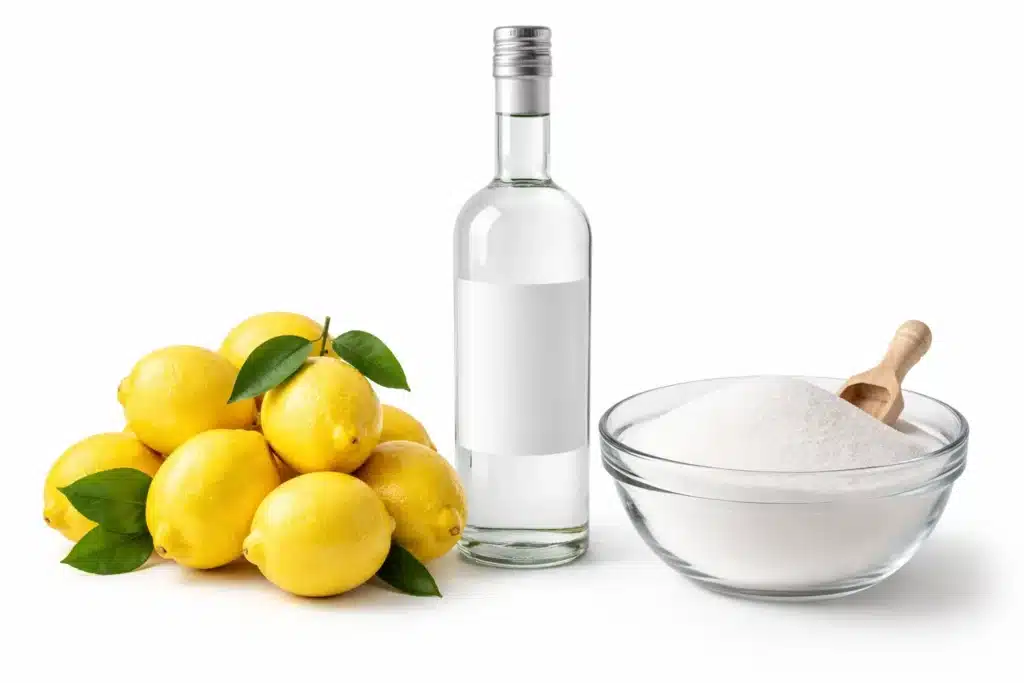
For the Lemon Infusion
- 10 organic lemons, thoroughly washed and dried
Organic lemons are best since you’ll be using the peel. - 1 (750 ml) bottle vodka
100-proof vodka extracts more flavor, but 80-proof works well too.
For the Sugar Syrup
- 1 to 4 cups granulated sugar, to taste
- 1 to 4 cups water
The ratio controls sweetness and alcohol strength.
How to Make Limoncello Recipes
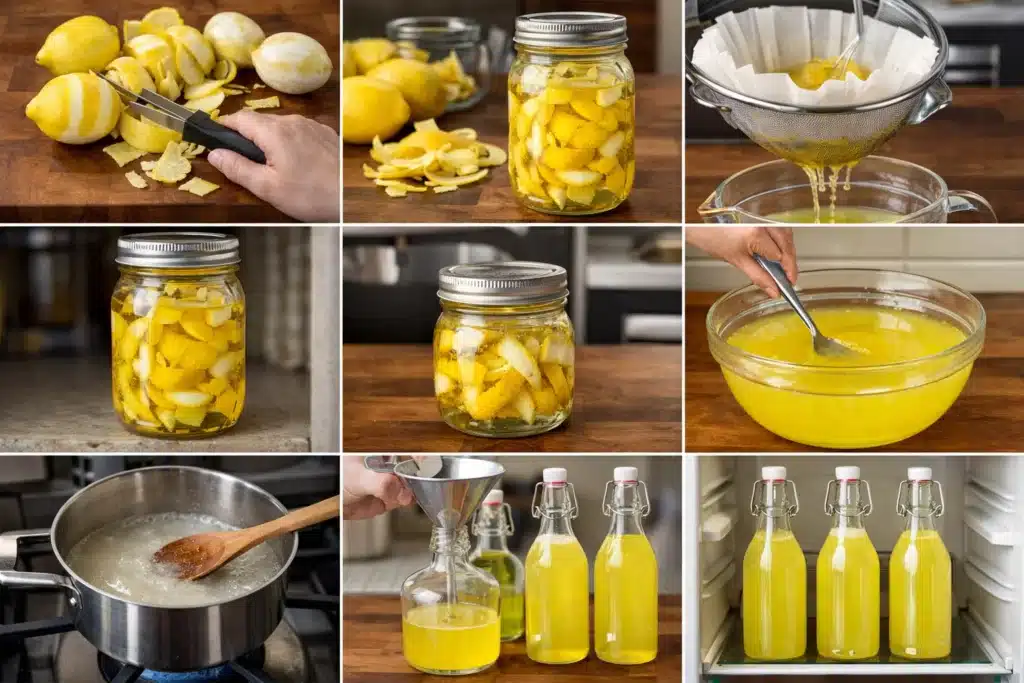
Prepare the Lemon Zest
- Using a vegetable peeler, microplane, or citrus zester, carefully remove the peel from each lemon.
Focus on the bright yellow outer layer—the white pith underneath is bitter and should be avoided. - If any large pieces of pith remain, trim them away gently with a paring knife.
Don’t stress about perfection; small traces won’t ruin the infusion.
Start the Infusion
- Transfer all the lemon peels into a clean 1-quart glass jar.
- Pour the vodka over the peels, ensuring they are fully submerged.
Complete coverage allows even extraction of essential oils. - Seal the jar tightly with a lid.
Infuse the Vodka
- Place the jar in a cool, dark spot away from direct sunlight.
- Let the mixture infuse for at least 4 days, or up to 1 month.
Short infusions create a lighter citrus note; longer infusions deliver a deeper lemon flavor. - Gently swirl the jar every few days to redistribute the oils.
Strain the Infusion
- Line a fine-mesh strainer with a large coffee filter and set it over a 4-cup measuring jug.
- Slowly pour the infused vodka through the filter to remove the peels.
If the flow slows, gently stir—don’t press, or sediment may pass through.
Make the Sugar Syrup
- In a small saucepan, combine 1 cup water and 1 cup sugar.
- Bring to a gentle simmer, stirring until the sugar fully dissolves.
- Remove from heat and allow the syrup to cool completely.
Adding hot syrup can dull the lemon flavor.
Sweeten and Balance
- Pour the cooled sugar syrup into the strained lemon vodka. Stir gently to combine.
- Taste and adjust gradually, adding more syrup if desired—up to 4 cups water and 4 cups sugar total.
- More sugar: Sweeter, dessert-style limoncello
- More water: Lower alcohol, smoother finish
Bottle and Chill
- Using a funnel, pour the limoncello into clean glass bottles.
- Chill in the refrigerator or freezer for at least 4 hours before serving.
Cold temperature enhances smoothness and aroma.
Serving and Storage Tips
Serving Suggestions
- Serve limoncello ice-cold in small chilled glasses.
- Garnish with a thin strip of lemon peel for an elegant finish.
- Use as a cocktail base for spritzes, martinis, or summer punches.
Storage
- Refrigerator: Keeps well for up to 1 month.
- Freezer: Stores beautifully for up to 1 year (often longer).
High alcohol content prevents freezing solid.
Helpful Notes
- Avoid bitterness: Always minimize white pith when peeling lemons.
- Vodka quality matters: Choose a clean, neutral vodka—no need for top-shelf, but avoid harsh spirits.
- Cloudy limoncello? This can happen when oils react with cold temperatures—still perfectly safe and flavorful.
- Flavor variations: Add a small amount of orange or lime zest during infusion for a citrus twist.
Conclusion
This homemade limoncello recipe proves that extraordinary flavor doesn’t require complicated steps or specialty equipment. With just a handful of ingredients and a little patience, you’ll create a vibrant, smooth liqueur that rivals anything you’d find in Italy. The ability to customize sweetness and strength makes this recipe especially rewarding—tailored exactly to your taste.
If you try this limoncello recipe, don’t forget to leave a comment and a ⭐⭐⭐⭐⭐ rating below. Share your bottles on Pinterest or Facebook and inspire others to make their own. Did you keep it classic, or experiment with citrus variations? Let us know—we’d love to hear how you made it your own!
Frequently Asked Questions (FAQ)
Can I use regular (non-organic) lemons?
Yes, but scrub them thoroughly to remove wax. Organic lemons are preferred since the peel is the star ingredient.
How long should limoncello infuse?
A minimum of 4 days is enough for flavor, but 2–4 weeks delivers the most intense lemon aroma.
Is homemade limoncello gluten-free?
Yes. Vodka made from corn or potatoes is naturally gluten-free.
Why is my limoncello bitter?
Bitterness usually comes from too much lemon pith or over-aggressive peeling.
Can I reduce the alcohol content?
Absolutely. Increasing the water-to-sugar ratio creates a smoother, lower-alcohol limoncello.
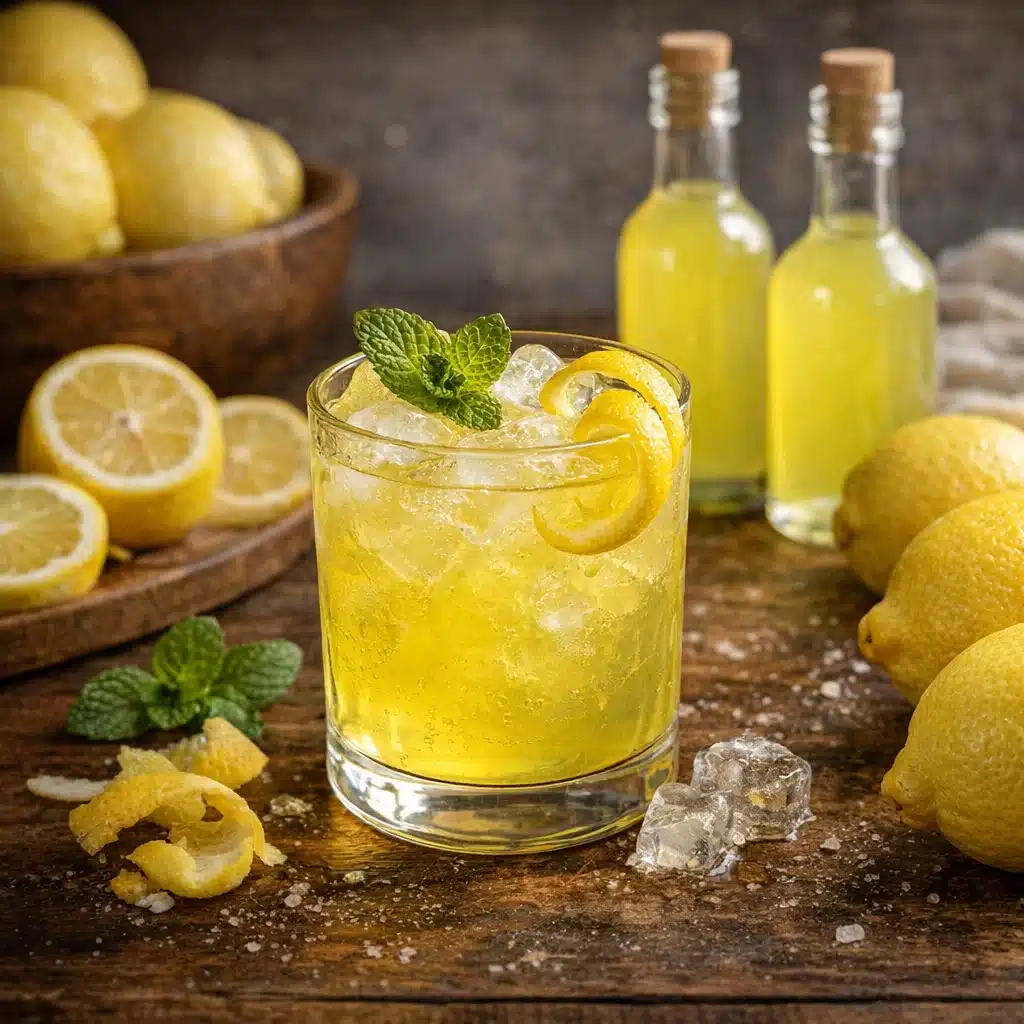
Homemade Limoncello (Non-Alcoholic Style)
Ingredients
Method
- Using a vegetable peeler or microplane, carefully remove the bright yellow zest from the lemons, avoiding the white pith.
- Place the lemon zest into a clean glass jar and pour the non-alcoholic vodka alternative over the peels, ensuring they are fully submerged.
- Seal the jar and place it in a cool, dark location. Allow the mixture to infuse for 4 to 14 days, gently swirling the jar every few days.
- Strain the infusion through a fine-mesh strainer lined with a coffee filter into a measuring jug, discarding the zest.
- In a small saucepan, combine the sugar and water. Heat gently, stirring until the sugar dissolves completely. Remove from heat and let cool.
- Stir the cooled sugar syrup into the strained lemon infusion. Taste and adjust sweetness if desired.
- Transfer the finished limoncello-style drink into clean bottles using a funnel. Chill for at least 4 hours before serving.