
If you’re searching for the ultimate clotted cream cookie recipe that delivers luxurious richness, buttery softness, and bakery-quality flavor, you’ve just found it. These cookies combine the indulgent, silky texture of traditional clotted cream with a tender, melt-in-your-mouth cookie base that feels both elegant and comforting.
Unlike ordinary butter cookies, clotted cream cookies offer a deeper dairy richness and a delicate crumb that stays moist for days. Whether you’re planning afternoon tea, holiday baking, or simply craving a sophisticated sweet treat, this recipe provides reliable, foolproof results. With simple ingredients and a surprisingly approachable technique, you’ll create cookies that look impressive and taste unforgettable from the very first bite.
Table of Contents
Table of Contents
Why You’ll Love This Recipe
- Luxuriously Soft Texture – Clotted cream creates cookies that are exceptionally tender with a delicate, creamy crumb.
- Simple Pantry Ingredients – Uses basic dairy and baking staples without complicated add-ins.
- Perfect for Tea Time or Holidays – These cookies pair beautifully with coffee, tea, or festive dessert platters.
- Elegant Yet Comforting – Combines gourmet flavor with nostalgic homemade warmth.
- Unique Flavor Profile – The slow-cultured richness of clotted cream provides a depth you won’t find in regular cookies.
- Make-Ahead Friendly – The dough and finished cookies store well, making them ideal for planning ahead.
These cookies stand out because they incorporate homemade clotted cream, which produces a naturally creamy richness while maintaining a light, delicate structure. The result is a cookie that feels indulgent but never heavy — perfect for impressing guests or elevating your everyday baking.
Ingredients Needed
For the Homemade Clotted Cream
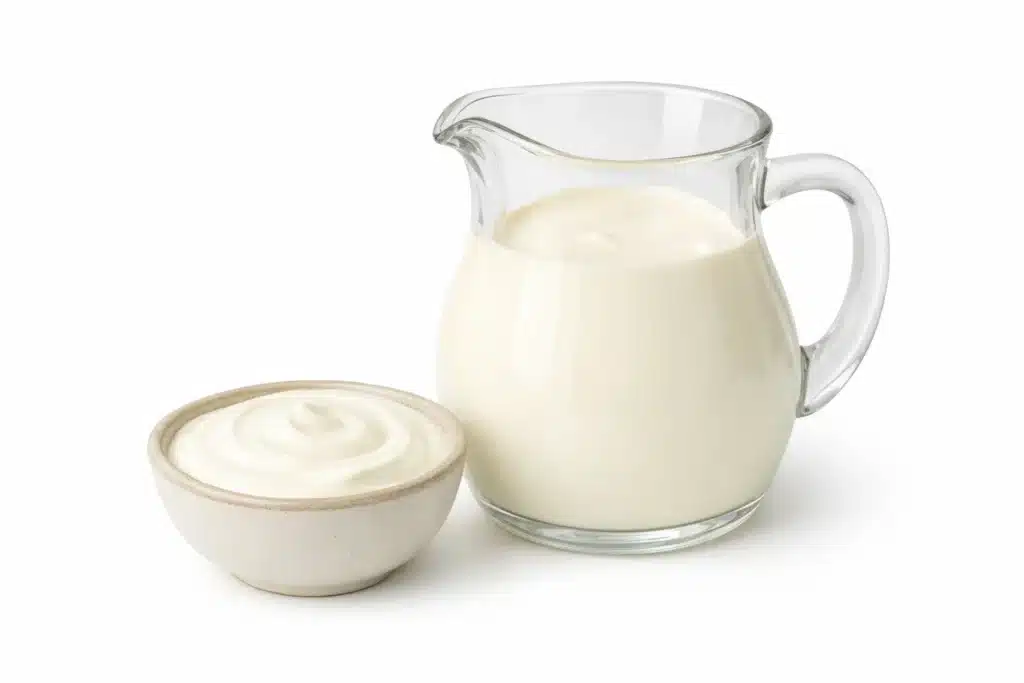
- 2 cups heavy cream (non ultra-pasteurized) – Essential for proper thickening and traditional flavor. Ultra-pasteurized cream won’t produce the same texture.
For the Clotted Cream Cookie Dough
- 1 cup prepared clotted cream – Adds richness and softness to the cookies.
- ½ cup unsalted butter, softened – Provides structure and classic buttery flavor.
- ¾ cup granulated sugar – Sweetens while maintaining a light crumb.
- 1 large egg, room temperature – Helps bind ingredients and adds moisture.
- 1 teaspoon pure vanilla extract – Enhances overall flavor depth.
- 2 cups all-purpose flour – Creates the cookie structure.
- ½ teaspoon baking powder – Gives cookies gentle lift.
- ¼ teaspoon salt – Balances sweetness and enhances flavor.
How to Make Clotted Cream Cookie
Step 1: Prepare the Clotted Cream Base
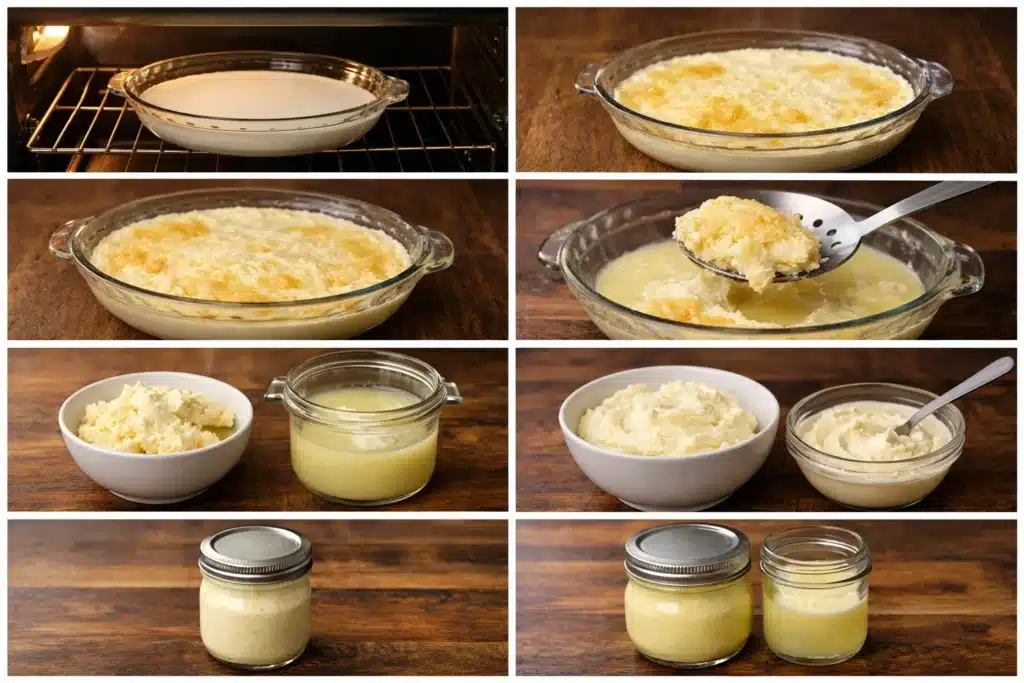
Preheat your oven to 175°F (80°C), which is typically the lowest temperature setting available. Pour the heavy cream into a glass or ceramic 9-inch pie dish. Avoid metal pans, as they can react with dairy during long heating.
Place the dish carefully in the oven and allow the cream to heat slowly for at least 12 hours or overnight. This extended low-temperature cooking allows the fat to separate and thicken naturally, forming the signature creamy top layer. Do not stir or move the dish during this process, as disturbance prevents proper separation.
Step 2: Cool and Chill the Cream
Remove the dish gently from the oven, keeping it level to avoid mixing the thick top layer with the liquid whey underneath. Let the cream cool at room temperature for about 30 minutes.
Cover the dish with plastic wrap or a lid and refrigerate it for another 12 hours. This chilling stage allows the cream to firm up and develop its classic spreadable consistency.
Step 3: Separate the Clotted Cream
Once chilled, use a slotted spoon to carefully lift the thick, buttery layer from the surface. Transfer it to a clean bowl. The liquid remaining underneath is whey, which can be saved for baking biscuits or scones.
If desired, gently stir the thick cream until it reaches a smooth, uniform texture. Some small bits of surface crust may remain — this is completely normal and adds traditional character.
Step 4: Store the Clotted Cream
Transfer the finished clotted cream into an airtight container such as a mason jar. Refrigerate until ready to use. It should yield approximately 1 cup of clotted cream, which is perfect for this cookie recipe.
Step 5: Prepare the Cookie Dough
Preheat your oven to 350°F (175°C) and line baking sheets with parchment paper to prevent sticking.
In a large mixing bowl, cream together the softened butter, clotted cream, and granulated sugar using a hand or stand mixer. Beat until the mixture becomes light and fluffy, about 2–3 minutes. This step incorporates air, helping create tender cookies.
Step 6: Add Wet Ingredients
Mix in the egg and vanilla extract. Continue beating until the mixture looks smooth and fully combined. Scrape down the bowl sides to ensure even mixing.
Step 7: Combine Dry Ingredients
In a separate bowl, whisk together flour, baking powder, and salt. Gradually add the dry mixture to the wet ingredients while mixing on low speed. Stop mixing as soon as a soft dough forms to avoid tough cookies.
Step 8: Shape and Bake the Cookies
Scoop tablespoon-sized portions of dough and roll gently into balls. Place them on the prepared baking sheet, leaving about 2 inches of space between each cookie.
Lightly flatten each dough ball with your palm or the bottom of a glass for even baking.
Bake for 10–12 minutes, or until the edges turn lightly golden while the centers remain pale and soft. Overbaking can reduce the delicate texture, so monitor closely.
Step 9: Cool Before Serving
Allow cookies to cool on the baking sheet for 5 minutes before transferring them to a wire rack. This resting time helps them set properly without breaking.
Serving and Storage Tips
For an elegant presentation, arrange clotted cream cookies on a decorative platter and dust lightly with powdered sugar. They pair wonderfully with afternoon tea, cappuccino, or fresh berries.
You can also sandwich two cookies together with fruit preserves or lemon curd for an extra indulgent dessert.
Storage Tips:
- Store cookies in an airtight container at room temperature for up to 3 days.
- Refrigerate for extended freshness up to 1 week.
- Freeze baked cookies for up to 3 months in sealed freezer bags.
To refresh cookies, allow them to come to room temperature or warm briefly in a low oven for 3–5 minutes.
Helpful Notes
- Always use non ultra-pasteurized cream to ensure proper clotted cream formation.
- Allow ingredients like eggs and butter to reach room temperature for smoother mixing.
- Avoid overmixing dough, as it can produce dense cookies.
- For added flavor, consider incorporating citrus zest, almond extract, or mini chocolate chips.
- The leftover whey can replace milk or buttermilk in other baked goods.
If doubling the clotted cream recipe, ensure the cream depth remains about 1½ to 2 inches in the baking dish for even thickening.
Conclusion
These clotted cream cookies offer a luxurious twist on classic homemade cookies, delivering a velvety texture and rich dairy flavor that feels both sophisticated and comforting. The homemade clotted cream elevates the cookie dough, creating a treat that stays soft, flavorful, and irresistibly tender.
Whether you’re preparing them for special gatherings, holiday trays, or a relaxing afternoon tea, this recipe consistently produces bakery-quality results using simple techniques. The combination of elegance and ease makes these cookies a standout addition to any baker’s collection.
If you try this recipe, be sure to leave a comment and a star rating to share your experience. Your feedback helps others discover this delicious treat. Don’t forget to share your cookies on Pinterest or Facebook and tag your creations!
What flavor variations did you try? Did you add jam filling or keep them classic? Let us know in the comments below!
Frequently Asked Questions (FAQ)
Can I use store-bought clotted cream?
Yes, high-quality store-bought clotted cream works well and saves preparation time. However, homemade clotted cream usually offers a fresher, richer flavor.
Can I substitute ultra-pasteurized heavy cream?
Ultra-pasteurized cream is not recommended because it lacks the structure needed to form proper clotted cream. Always choose standard pasteurized cream when possible.
How do I make these cookies gluten-free?
You can replace all-purpose flour with a high-quality gluten-free baking blend that contains xanthan gum. The texture may be slightly softer but still delicious.
Why did my cookies spread too much?
Cookies may spread if butter or clotted cream becomes too warm. Chilling the dough for 20–30 minutes before baking helps maintain shape.
Is this recipe freezer-friendly?
Yes. Both the cookie dough and baked cookies freeze well. Store dough portions in freezer bags and bake directly from frozen, adding 1–2 extra minutes to baking time.
What consistency should clotted cream have?
Proper clotted cream should be thick, spreadable, and slightly buttery. It should hold shape on a spoon but still feel smooth and creamy when stirred.


Clotted Cream Cookie
Ingredients
Method
- Preheat oven to 175°F (80°C). Pour heavy cream into a glass or ceramic dish and bake uncovered for 12 hours without stirring.
- Remove from oven, cool for 30 minutes, then refrigerate for 12 hours until thickened.
- Scoop the thick clotted cream from the surface, separating it from the whey. Store refrigerated until ready to use.
- Preheat oven to 350°F (175°C) and line baking sheets with parchment paper.
- Cream together butter, clotted cream, and sugar until light and fluffy, about 2–3 minutes.
- Add egg and vanilla extract, mixing until fully combined.
- Whisk flour, baking powder, and salt in a separate bowl. Gradually add to wet ingredients and mix just until a soft dough forms.
- Scoop tablespoon-sized portions, roll into balls, place on baking sheet, and gently flatten.
- Bake for 10–12 minutes until edges are lightly golden and centers remain pale. Cool on baking sheet for 5 minutes, then transfer to a wire rack.